
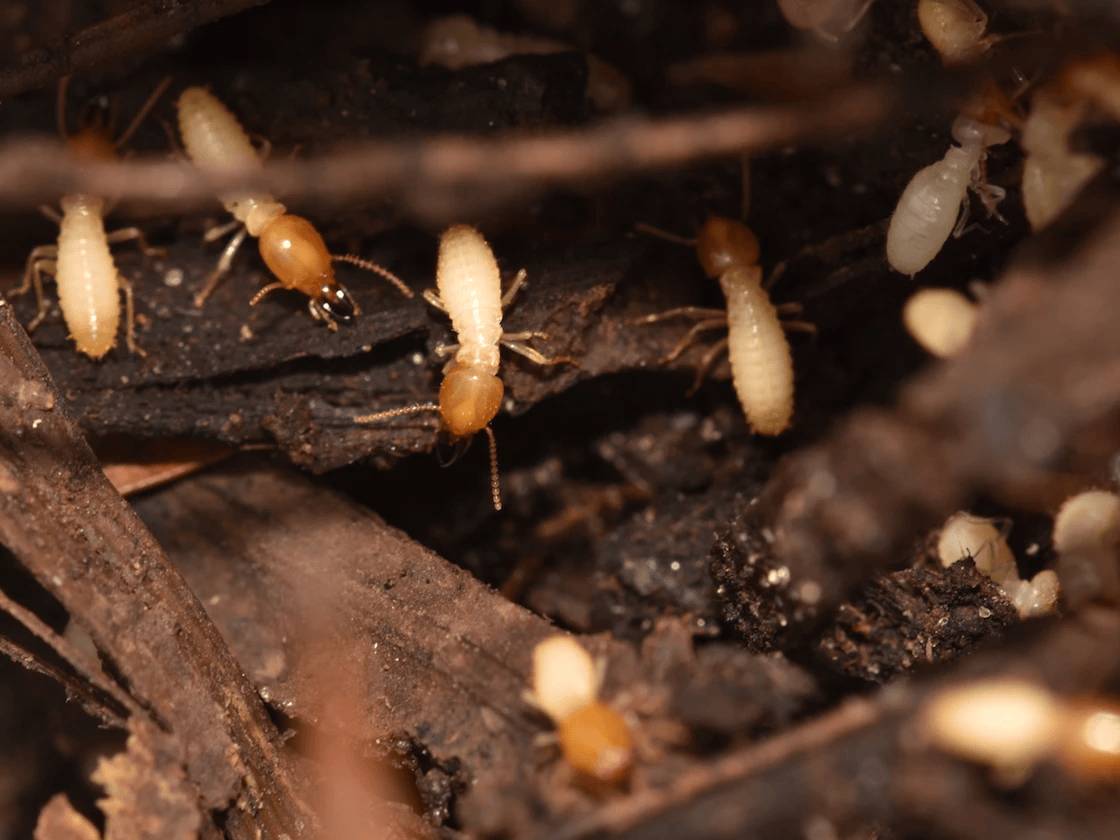
Termite Proof Siding Oahu | FBC Hawaii
Image Source Pets World
Termite Proof Siding Oahu | FBC Hawaii
The Hawaii Reality: Why Wood Siding is a "Time Bomb"
Comparison: Siding Materials vs. The Hawaii Environment
The "Forensic" Solution: James Hardie® Fiber Cement
1. 100% Inedible to Formosan Termites
2. The HZ10® Advantage: Engineered for the Tropics
3. Superior Fire Resistance & Safety
The 60-Second Termite Risk Checklist
The FBC Forensic Approach: Finding What's Hidden
Formosan Termites vs. Your Siding: Is Your Oahu Home on the Menu?
If you live on Oahu, you aren’t just fighting the humidity and the salt air—you are in a constant battle with the most aggressive wood-destroying insects on the planet: Formosan Subterranean Termites. Many homeowners ask if there is a way to truly "termite-proof" their exterior, and the quick answer is that while you cannot stop termites from existing, you can stop them from eating your home by switching to James Hardie® Fiber Cement. Because it is a masonry-grade product made of sand and cement, it is 100% inedible to pests, providing a permanent physical barrier that protects your home’s structural integrity where wood siding fails.
At FBC Roofing & Exteriors, our forensic inspections frequently uncover a terrifying reality: homeowners think their siding is just "peeling" or has a little bit of "sun damage," but behind the paint, termites have turned their structural studs into hollowed-out shells. In Hawaii, choosing the wrong siding material isn’t just an aesthetic mistake; it’s an invitation to a feast.
The Hawaii Reality: Why Wood Siding is a "Time Bomb"
Most traditional siding materials used on the mainland, like cedar or T1-11 plywood, are essentially "termite candy" in the 808. Formosan termites don't need a crack to enter; they build mud tubes over your foundation to reach your siding. Once they are in, a large colony can consume up to a pound of wood a day.
Comparison: Siding Materials vs. The Hawaii Environment
The "Forensic" Solution: James Hardie® Fiber Cement
Because we are a GAF Master Elite® contractor, we apply the same "top 2%" standards to our siding as we do to our roofs. We exclusively recommend James Hardie Fiber Cement for Hawaii homes because it is the only material specifically engineered to survive the "Big Three" threats of the Pacific: Termites, Humidity, and Fire.
1. 100% Inedible to Formosan Termites
Unlike wood-based products or "engineered wood" that still contain cellulose-rich food sources, James Hardie is a masonry-grade product. It is composed of a proprietary blend of Portland cement, fine sand, and cellulose fibers that have been high-pressure steam-cured.
The Result: It provides zero nutritional value to pests. While termites can bypass vinyl or eat through wood, they simply cannot digest fiber cement. It acts as a permanent physical shield for your home's structural framing, ensuring that your siding never becomes a gateway for an infestation.
2. The HZ10® Advantage: Engineered for the Tropics
Most siding is built for a "one size fits all" mainland climate. James Hardie is different. They developed the HardieZone® System to ensure performance based on specific regional climates. Hawaii falls into the HZ10 Product Zone.
Tropical Resilience: HZ10 products are specifically formulated to resist the relentless "Manoa mist," Ewa heat, and coastal salt air. It is the gold standard for durability in high-moisture environments.
Dimensional Stability: Unlike wood, which swells when it rains and shrinks in the sun (causing cracks that termites love), fiber cement remains dimensionally stable. It won't buckle, rot, or delaminate even in 90% humidity, keeping your home's "envelope" sealed tight.
3. Superior Fire Resistance & Safety
Hawaii’s dry seasons and high winds make exterior fire safety a critical concern for local homeowners.
Non-Combustible: James Hardie siding is recognized by fire departments nationwide as a non-combustible material (ASTM E136). It will not ignite when exposed to a direct flame.
Vinyl vs. Hardie: In a fire, vinyl siding melts and can actually "off-gas" toxic fumes, while wood siding acts as fuel. Fiber cement provides an extra layer of protection for your family, often leading to lower home insurance premiums in Hawaii due to its fire-rated performance.
Instead of just "patching and painting," the FBC crew performs a forensic strip-down to see what's actually happening to your home's "bones."
See more real-world forensic reveals on our Instagram @fbchawaii
The 60-Second Termite Risk Checklist
Check each item that applies to your home to see your current vulnerability level.
Material: Does your home currently have wood, cedar, or T1-11 siding?
Ground Clearance: Is your siding touching the soil, mulch, or constant wet grass?
Moisture Issues: Do you have leaky gutters or AC drip lines splashing near your walls?
Visual Cues: Do you see "bubbling" paint, soft spots, or small "pinholes" in the siding?
Inspection History: Has it been more than 5 years since your last professional exterior audit?
Your Risk Score:
0-1 Checked: Low Risk. Continue with regular gutter maintenance to keep your walls dry.
2-3 Checked: Moderate Risk. You likely have hidden moisture attracting pests. A repair may be needed soon.
4+ Checked: High Risk. Your home is vulnerable. You need a forensic inspection immediately to check for structural damage.
The FBC Forensic Approach: Finding What's Hidden
We don't just "slap" new siding over the old. That is how termites stay trapped inside your structure, continuing to eat your frame. Our process is built on Work You Can Trust:
Strip-Down Inspection: We remove old siding to inspect the "sheathing" (the wood skin of your house).
Structural Repair: If we find termite damage in your studs, we repair the structure properly before the new siding goes on.
HardieWrap Installation: We install a specialized weather-resistant barrier that allows the house to "breathe" while blocking liquid rain.
VIDEO: Watch the FBC Siding Process in Action Source: Official FBC Roofing Hawaii YouTube Channel
Frequently Asked Questions (FAQ)
1. Can Formosan termites eat through James Hardie siding? No. Fiber cement is a masonry-based product. Termites are looking for the cellulose in wood; they have no interest in cement and sand. It provides a permanent physical barrier.
2. How do I know if the damage is termites or just dry rot? In Hawaii, they often go hand-in-hand. Dry rot softens the wood, making it easier for termites to tunnel. Our Inspection process identifies both issues so they can be fixed correctly.
3. Is James Hardie siding more expensive than wood? The initial material cost is higher, but because it is termite-proof and holds paint 3x longer than wood, it is significantly cheaper over the life of your home. You save thousands in future termite treatments and repairs.
4. Does new siding affect my home insurance on Oahu? In many cases, yes. Because James Hardie is non-combustible and extremely durable, some Hawaii insurers offer better rates or easier renewals compared to homes with aging wood siding.
5. How long does a siding replacement take? A typical Oahu home takes 7 to 10 days for a full transformation. This includes the teardown, forensic inspection, structural repairs, and final installation.
Stop the Damage Before It's Structural
Don’t wait for a swarm to find out your siding is failing. Protect your "Foundation of Life" with the only siding engineered to survive the 808.




contact us
3050 Ualena St Unit D
Honolulu, HI 96819
Hours of operation
Monday - Friday: 9 a.m. to 6 p.m.
Saturday - Sunday: Closed