
Cool Roof Shingles Oahu | Reflective Roofing FBC Hawaii
Image Source Pets World
Cool Roof Shingles Oahu | Reflective Roofing FBC Hawaii
The Science of Cool: How It Works
1. Solar Reflectance: The "Mirror" Shield
2. Thermal Emittance: The "Heat Release" Valve
Why Hawaii Homeowners Are Switching
1. Drastic Reduction in Energy Bills
2. Extended Roof Lifespan & Durability
3. Access to Utility Rebates & Federal Credits
Standard Shingles vs. GAF Cool Series
Beat the 808 Heat: Why Your Roof Needs "Sunglasses"
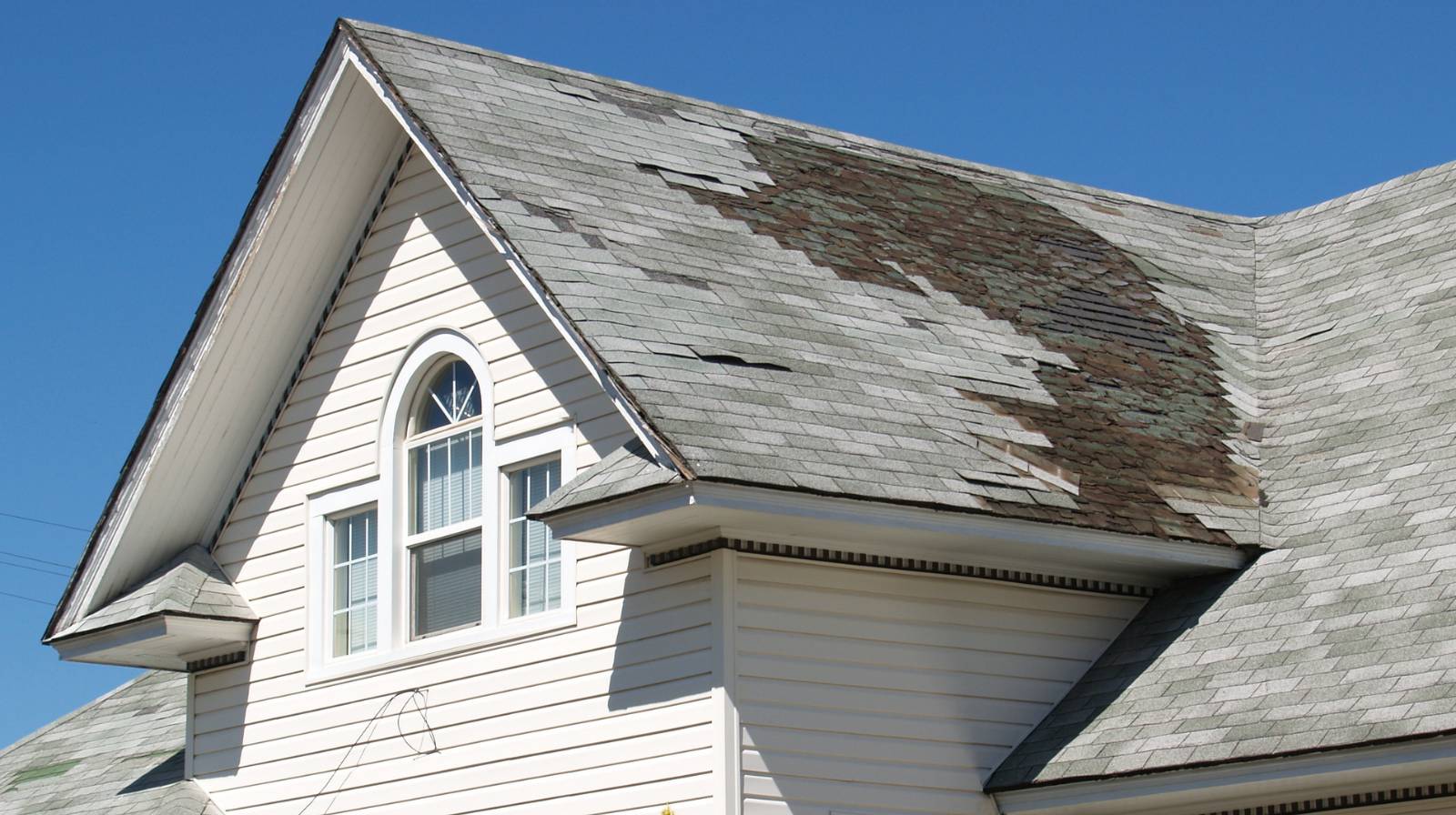
We all love the Hawaii sunshine, but your roof is taking a beating. On a typical 85°F day in Kapolei or Kailua, a standard dark asphalt roof can reach temperatures upwards of 160°F. That heat doesn't stay on the shingles; it radiates into your attic, through your ceiling, and forces your AC to work overtime. Many homeowners ask if they have to settle for a hot house, and the quick answer is no—by installing "Cool Roof" shingles, you can reflect solar energy back into the sky, significantly lowering your cooling costs.
At FBC Roofing & Exteriors, we specialize in high-reflectivity systems that act like "sunglasses" for your home, protecting your "Foundation of Life" from UV damage while keeping your wallet cool.
Watch a behind-the-scenes look at how our team handles residential roofing in Hawaii. From the initial inspection to the final cleanup, see the level of care we put into every "Foundation of Life."
The Science of Cool: How It Works
On the mainland, roofing is often about insulation—keeping the warmth inside. In Hawaii, our roofs are under a 365-day infrared assault. Standard asphalt shingles act like a thermal sponge, soaking up solar radiation and radiating it directly into your living space. "Cool" shingles break this cycle using a two-part scientific defense: High Solar Reflectance and High Thermal Emittance.
1. Solar Reflectance: The "Mirror" Shield
Think of solar reflectance as your roof’s ability to "bounce" sunlight away before it ever has a chance to turn into heat. Conventional dark shingles are passive absorbers; they soak up roughly 80–90% of the sun’s energy, transforming your attic into an oven.
The Physics: Reflective granules are engineered with specialized light-colored pigments and coatings that stay "cool" even under direct exposure. Instead of the shingles getting hot, they remain closer to the ambient air temperature.
The FBC Standard: We exclusively install GAF Timberline® CS (Cool Series) Shingles. These are engineered with highly reflective granules that can reduce attic temperatures by up to 30°F. This is the difference between an AC unit that struggles all afternoon and one that cycles off because your home has reached a comfortable temperature.
2. Thermal Emittance: The "Heat Release" Valve
Even the most advanced "cool" shingle will eventually absorb a small fraction of heat. This is where Thermal Emittance comes in. It measures how quickly a material can "shed" or radiate that absorbed heat back into the atmosphere rather than conducting it downward into your rafters and plywood decking.
The Physics: A high-emittance roof acts like a heat radiator. Instead of holding onto the thermal energy and "bleeding" it into your home throughout the evening (which is why some houses stay hot long after the sun goes down), a cool roof releases that energy immediately.
The FBC Standard: We don't just stop at the shingles; we treat the roof as a complete thermal system. By combining high-emittance shingles with our balanced ventilation systems, we ensure that any heat that does bypass the shingles is flushed out through the ridge vents by a constant stream of fresh air. This "breathable" design ensures your home’s "Foundation of Life" stays cool from the outside in.
Why Hawaii Homeowners Are Switching
In the 808, your roof is more than just a rain shield—it’s a thermal barrier. As energy costs and temperatures continue to rise, Oahu homeowners are moving away from traditional "heat-absorbing" shingles in favor of reflective technology. Here is why:
1. Drastic Reduction in Energy Bills
Hawaii consistently faces some of the highest electricity rates in the nation. When your attic reaches 160°F, it acts as a giant radiator, pushing heat down through your insulation and into your living spaces.
The Benefit: By reflecting the sun’s rays, a Cool Roof prevents that "heat trap" from ever forming. Homeowners who switch often see a significant drop in their monthly HECO bills because their cooling systems aren't fighting a constant uphill battle against attic temperatures.
2. Extended Roof Lifespan & Durability
Heat is the silent killer of asphalt shingles. In Hawaii, our roofs suffer from extreme "thermal shock"—baking in the midday sun and then being hit by a sudden, cold tropical downpour. This rapid expansion and contraction causes shingles to become brittle and crack.
The Benefit: A cooler roof experiences much less thermal stress. By maintaining a more stable, lower surface temperature, the asphalt remains flexible and the granules stay embedded longer, adding years to the life of your roof.
3. Access to Utility Rebates & Federal Credits
Switching to an energy-efficient roof isn't just a long-term saving strategy; it offers immediate financial incentives.
The Benefit: Because the systems FBC installs are ENERGY STAR® certified, they meet strict government standards for solar reflectance. Many cool roof installations qualify for federal tax credits or local energy rebates, making the "premium" technology pay for itself much faster.
Standard Shingles vs. GAF Cool Series
Work You Can Trust: What Our Clients Say
“FBC Roofing did an amazing job on my roof. They completed the job way ahead of schedule. Would definitely recommend it to friends and family.” - Mike T on Google Review
Cool Roofing FAQ
1. Do cool shingles only come in white? No! While white is the most reflective, modern technology allows us to offer cool shingles in beautiful shades of gray and tan that still meet high-reflectivity standards while matching your home's aesthetic.
2. Is it worth it if I already have solar panels? Yes. In fact, solar panels actually perform better when the roof underneath them isn't radiating extreme heat. A cooler roof environment can help maintain the efficiency of your PV system.
3. Does a cool roof help with the "Heat Island" effect? Absolutely. If every home in an Ewa Beach subdivision had a cool roof, the ambient neighborhood temperature would actually be lower, making the whole community more comfortable.
4. Will a cool roof make my house too cold in the winter? In Hawaii? Never. We don't have a "heating season," so you only stand to gain by keeping the tropical heat out year-round.
5. How do I know if I need a cool roof? If your upstairs rooms are significantly hotter than the downstairs, or if your AC runs constantly from 10 AM to 6 PM, your roof is likely absorbing too much energy. Our detailed exterior audits can measure your roof's heat absorption.
Stop Cooking Your Attic
Don’t let the Hawaii sun shorten the life of your home. Upgrade to a roof that works as hard as you do to keep things cool.
Call today for a free inspection!