Hawaii Roof Color Guide | Dark vs Light
Hawaii Roof Color Guide | Dark vs Light
The Science of Solar Absorption: Why Color Matters in the 808
The "Cool Roof" Innovation: Style Meets Performance
UV Degradation and Fading: The Hawaii Reality
The Algae and Maintenance Factor on Oahu
Oahu Neighborhood Guide: Which Color Suits Your Area?
Comparing the Options: Light vs. Dark Roofing
Why Choose FBC Hawaii for Your Color Selection?
Dark vs. Light Roofs: Which Color Performs Best Under the Extreme Hawaii UV Index?
As we move through May on Oahu, the sun reaches its highest point in the sky, pushing the Hawaii UV Index into the "Extreme" category almost daily. When choosing a new roof, most homeowners focus primarily on aesthetics—how the color matches the siding or the architectural vibe of neighborhoods like Mililani or Hawaii Kai. However, in the islands, your roof color is a functional decision that directly impacts your home's internal temperature, your monthly HECO bill, and the actual physical lifespan of your roofing materials.
At FBC Hawaii, we have installed over 1,000 roofs since our establishment in 2014. We have seen firsthand how different colors react to the brutal Pacific sun. Whether you are considering a classic "Charcoal" or a reflective "Birchwood," understanding the science of solar absorption is critical for protecting your home’s structural integrity.
The Science of Solar Absorption: Why Color Matters in the 808
The primary difference between a dark and light roof is how they handle solar radiation. This is measured by the Solar Reflectance Index (SRI), which accounts for both a material's ability to reflect sunlight (solar reflectance) and its ability to emit absorbed heat (thermal emittance).
Dark Roofs (Low SRI)
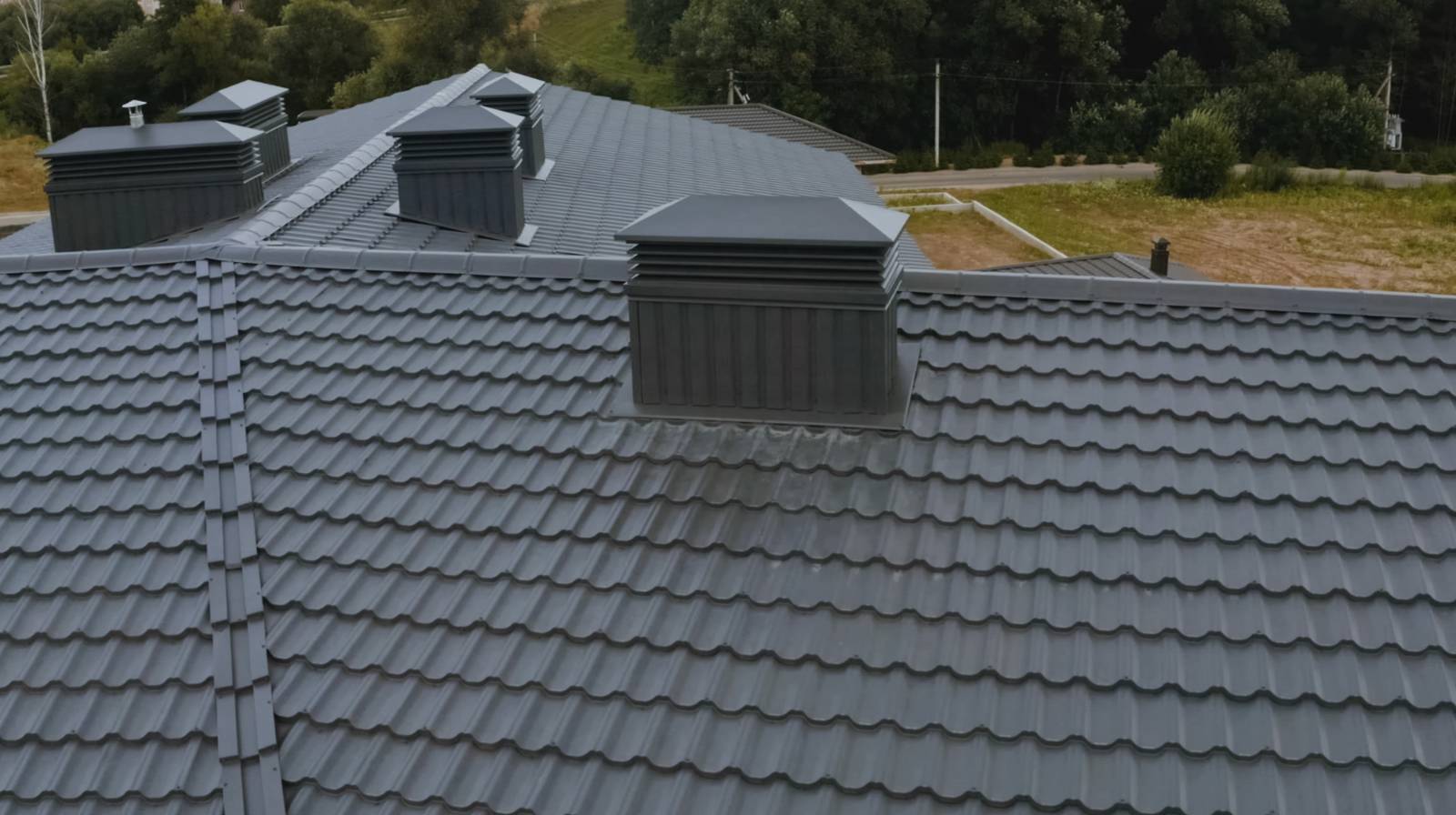
Standard dark shingles (like black, deep brown, or dark gray) act as a thermal sponge. In the intense May sun, a dark roof surface can reach temperatures of 170°F or higher. These materials absorb up to 90% of the sun’s radiant energy. This heat is then conducted through the roof deck and into your attic, forcing your air conditioner to work significantly harder to maintain a comfortable temperature inside. Over time, this chronic heat saturation can even lead to the degradation of the plywood roof deck itself.
Light Roofs (High SRI)
Light-colored roofs (like white, light gray, or tan) reflect a much higher percentage of solar rays back into the atmosphere before they can be absorbed. A high-SRI light-colored roof can stay 50°F to 60°F cooler than a dark counterpart under identical conditions. By bouncing energy away, you reduce the "thermal load" on your home, which is a major factor in lowering your overall cooling costs and preserving the oils in your asphalt shingles.
The "Cool Roof" Innovation: Style Meets Performance
A common misconception among Hawaii homeowners is that you must choose a white or very light-colored roof to be energy efficient. Thanks to modern manufacturing technology utilized by industry leaders like GAF, this is no longer the case.
Reflective Granule Technology
As a GAF Master Elite Contractor, FBC Hawaii offers "Cool Roof" shingles that use specialized, highly reflective granules. These granules are engineered to reflect infrared light (which carries heat) even in darker colors.
The Best of Both Worlds: You can now choose a medium-toned or even a darker-looking shingle that still meets "Cool Roof" standards.
SRI Ratings: These shingles are designed to have an SRI of 20 or higher, even in popular shades like "Weathered Wood." This allows you to maintain the classic aesthetic of your home without suffering the "heat penalty" associated with traditional dark materials.
UV Degradation and Fading: The Hawaii Reality
The extreme UV index on Oahu doesn't just create heat; it physically breaks down the chemical bonds in your roofing materials through a process called photodegradation. This affects different colors and material compositions in unique ways.
Fading and Aesthetics
Darker colors tend to show UV fading more prominently over time. A deep charcoal roof may look slightly "chalky" or washed out after a decade of exposure to the 808 sun. This occurs as the UV rays break down the pigments in the granules. Light colors hide this degradation much better, maintaining their original appearance for a longer duration.
Material Lifespan and Thermal Cycling
Because dark roofs stay hotter for longer, they experience more aggressive "thermal cycling"—the expansion of materials in the heat of the day and contraction in the cool of the night. This constant mechanical stress leads to:
Accelerated Granule Loss: The protective mineral layer sheds faster as the asphalt underneath softens.
Shingle Brittleness: The asphalt core "bakes" and loses the essential oils that keep it flexible. Brittle shingles are significantly more likely to crack or tear during a High-Wind Kona Storm.
The Algae and Maintenance Factor on Oahu
In Hawaii’s humid environment, particularly in lush, high-rainfall areas like Manoa, Nu’uanu, or Kaneohe, roof algae (which causes unsightly black streaks) is a major concern.
Dark Roof Advantage: Darker shingles hide algae growth and black streaks much better than light roofs. If you choose a light roof in a high-humidity area, you may find yourself needing to professionally wash the roof more frequently to keep it looking clean.
The FBC Hawaii Solution: We exclusively install shingles equipped with StainGuard Plus™ technology. These shingles utilize time-release copper granules to prevent algae growth regardless of the color you choose, ensuring your roof stays beautiful without constant scrubbing.
Oahu Neighborhood Guide: Which Color Suits Your Area?
Your specific microclimate on Oahu should heavily influence your color choice. One size does not fit all when it comes to the diverse weather patterns of the island.
Comparing the Options: Light vs. Dark Roofing
Why Choose FBC Hawaii for Your Color Selection?
We understand that a new roof is a 20-to-30-year investment. We don't just show you a catalog; we provide expert guidance based on your home's orientation, the angle of the sun at your specific latitude, and your local weather patterns.
7-Year Workmanship Warranty: We ensure your roof is installed to handle the specific thermal stresses associated with your color choice.
Full System Audit: We evaluate your Soffit and Ventilation to ensure that whether you go light or dark, your attic remains at a safe temperature.
Master Elite Expertise: We are among the top 2% of contractors nationwide, giving you access to the best "Cool Roof" warranties in the industry.
Roof Color FAQ: Answering Oahu’s Top Questions
Does a white roof really save that much on my electric bill? Yes. Studies have shown that a high-reflectivity roof can reduce a Hawaii home's cooling load by 10% to 15% annually. In peak months like May, June, and July, that can translate to $40–$80 in monthly savings on your HECO bill, depending on your AC usage.
Are "Cool Roof" shingles more expensive to install? There is a slight premium for the specialized reflective granules used in "Cool" shingles. However, this initial cost is often offset by Hawaii Energy rebates and long-term electricity savings. It typically pays for itself within the first few years of the Hawaii summer.
What is the most popular roof color on Oahu right now? "Weathered Wood" remains the #1 choice for Oahu homeowners. It is a medium-brown/gray blend that strikes a perfect balance: it reflects more heat than black, but hides dirt, debris, and algae better than white.
Can FBC Hawaii show me samples at my actual house? Absolutely! During ourFree Inspection, we bring full-size shingle boards to your property. It is vital to see how the colors look against your home's siding and trim in the actual, unfiltered Hawaii sunlight.
Make a Confident Choice for Your Home
Don't let the "Extreme" UV index cook your home from the top down this summer. Whether you want the classic look of a dark architectural shingle or the high-performance cooling of a light-colored "Cool Roof," FBC Hawaii has the 808-Ready solution tailored for your neighborhood.