
Insulated Siding Oahu Cost Guide | FBC
Best Rain Gutters Oahu | FBC Hawaii - Copy
What Is Insulated Siding and How Does It Work?
The Role of the Thermal Barrier
Does Siding Help Insulate Your House in Hawaii?
Hawaii Siding Performance Statistics
The Storm Protection and Acoustic Bonus
Siding Installation Costs and Long-Term ROI
Calculating Your True Return on Investment
The Hidden Drawbacks and Installation Realities
The Importance of Certified Workmanship
Choosing the Best Siding Profile for Oahu's Microclimates
Is Insulated Siding Worth the Premium? Making Your Final Choice
Insulated Siding for Oahu Homes: Cost vs. Energy Savings Breakdown
Replacing your home's exterior cladding is already a significant structural investment. Adding insulation directly into the equation raises the initial material and labor price—but does it deliver enough energy savings to justify the premium?
In Hawaii's tropical climate, where cooling costs dominate year-round and residential electricity rates hover at a painful premium, the financial math looks vastly different than it does on the mainland. This comprehensive technical guide breaks down what insulated siding actually costs, how much you can expect to save on your utility bills, and whether it makes sense for your Oahu home.
At FBC Hawaii, we treat your exterior siding as a vital component of your building's thermal envelope. We design exterior solutions that protect your property from the elements while keeping your interior living spaces cool and comfortable.
What Is Insulated Siding and How Does It Work?
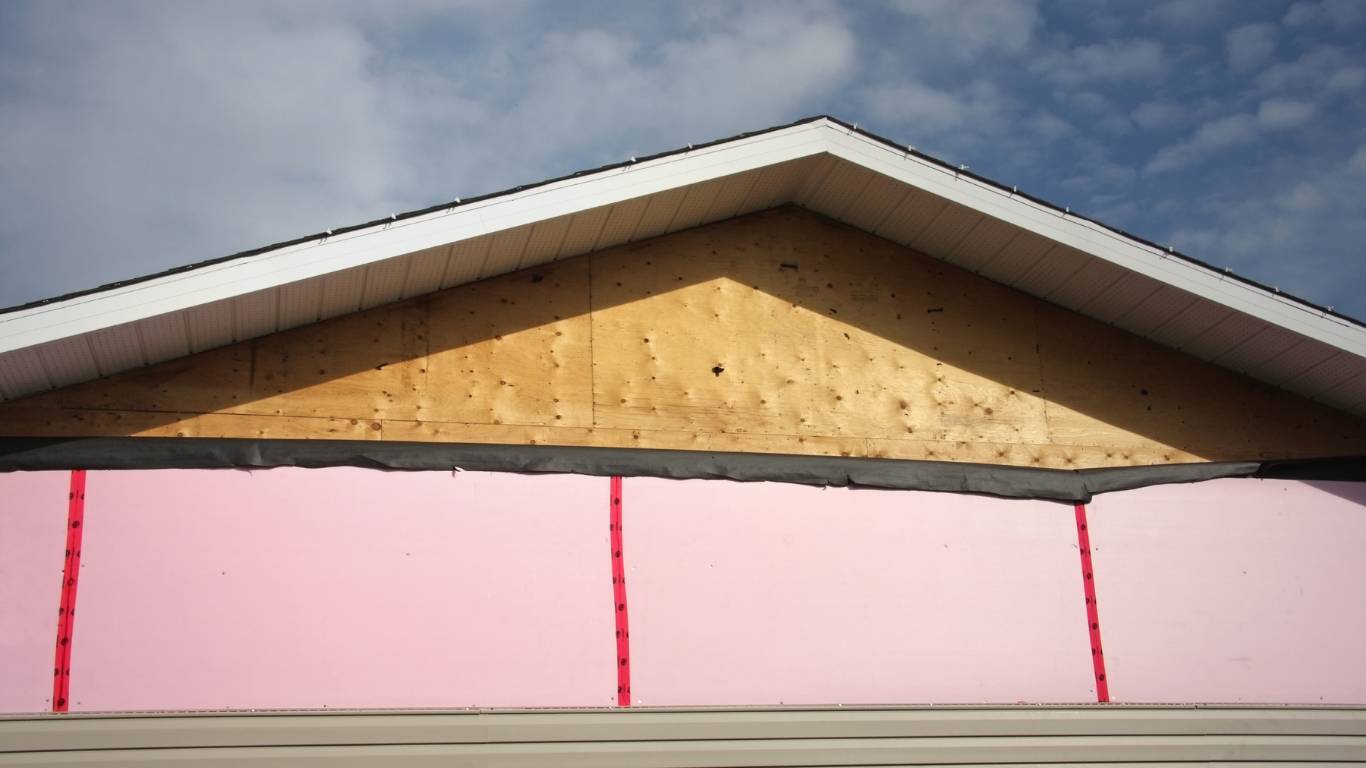
Insulated siding consists of high-grade vinyl or fiber-cement panels manufactured with a rigid foam backing—typically expanded polystyrene (EPS) or dense polyurethane—laminated directly to the back of the panel at the factory. This differs from installing separate rigid foam sheets under standard siding panels, though both engineering approaches aim to drastically minimize heat transfer through your exterior wall assemblies.
The Role of the Thermal Barrier
The foam layer creates a continuous thermal barrier that reduces heat flow into your home. According to energy performance parameters, insulated siding typically provides an additional insulation value ranging from R-2 to R-5. In practical terms, that means the backing slows down heat transfer by creating an air-trapping layer between the harsh exterior ambient temperature and your home's wall cavity.
Eliminating Thermal Bridging
The most significant benefit of factory-laminated siding isn't just the standalone R-value—it is how the continuous backing system eliminates thermal bridging. In standard construction, wood studs create thermal pathways for outdoor heat to completely bypass your interior cavity insulation, accounting for up to 10% to 25% of a building's overall heat gain. Factory-laminated insulated cladding covers these structural studs entirely from the outside, creating a more consistent, tight thermal envelope than you can achieve through internal cavity batts alone.
Important Technical Note: Insulated siding is engineered to supplement your existing wall insulation; it does not replace it. If your home's framing completely lacks proper cavity insulation, adding insulated panels to the exterior will not solve the underlying structural thermal problem.
Does Siding Help Insulate Your House in Hawaii?
The short answer: yes, but the operational energy savings are more localized in Hawaii than in mainland climates that experience extreme seasonal freezing and heating cycles. Insulated siding can reduce cooling costs by 10% to 20% when combined with functional interior cavity insulation—but that maximum range assumes vast temperature differentials between the indoors and outdoors.
The Hawaii Energy Reality
Oahu sits squarely in Climate Zone 1 (hot-humid), where active air conditioning accounts for roughly 20% to 30% of average residential energy usage. Unlike mainland desert or Midwestern climates, you are not battling subzero winters or 105-degree summer stretches. Because the temperature differential between your air-conditioned interior and the outdoor heat is relatively tight, the opportunities for massive, sudden utility drops are scaled down.
Hawaii Siding Performance Statistics
The Storm Protection and Acoustic Bonus
Where insulated siding delivers significant hidden value for Oahu properties is its performance during major severe weather events. The continuous rigid foam layer adds immense structural rigidity to the exterior wall. High-quality profiles designed for high-wind zones can successfully withstand tropical-storm-force winds better than hollow, standard vinyl panels.
Additionally, that dense foam layer acts as an excellent acoustic buffer. This significantly reduces exterior noise transmission—a massive benefit if your property is situated under flight paths or near busy Oahu corridors.
Siding Installation Costs and Long-Term ROI
Standard vinyl panels run lower upfront, making insulated profiles a premium investment. Hawaii's island construction costs run higher than mainland averages due to trans-Pacific shipping logistics, localized labor rates, and city permitting fees.
On Oahu, expect to invest roughly $5.00 to $14.50 per square foot for fully installed, premium insulated siding. For a standard 1,500-square-foot residential layout, this translates to an estimated project investment breakdown:
Standard Siding Layout: $9,000 – $16,500
Premium Insulated Siding Layout: $13,500 – $21,750
The Insulated Premium: $3,000 – $6,000
This baseline investment includes old material removal, substrate remediation, house wrap, labor, and final trim work. It does not account for hidden dry rot repair or replacing structurally rotted sheathing boards discovered after tear-off.
Calculating Your True Return on Investment
Given Hawaii's electricity rates, an insulated siding system will save the average home between $180 and $360 annually on cooling bills. With an initial material premium of $3,000 to $5,000, your direct energy break-even timeline lands within a multi-year window.
However, two critical factors drastically improve this financial equation:
Resale Appreciation: Real estate market reports confirm that high-grade Siding Services upgrades recover a substantial 68% to 75% of their initial cost at the point of sale.
HVAC Lifecycle Extension: By continuously lowering your home's total radiant heat load, your air conditioning system does not have to cycle as hard or as long, delaying expensive equipment replacements.
The Hidden Drawbacks and Installation Realities
While the thermal and structural benefits are clear, factory-insulated siding is not without its specific product drawbacks:
Fewer Profiling Options: Because the rigid foam backing must be laminated directly to the profile contours at the factory, you have fewer aesthetic configurations and color paths available compared to traditional, unbacked lines.
Moisture Trapping Risks: If installed incorrectly by uncertified crews, the dense backing foam can act as a sponge for tropical moisture. In Hawaii's high humidity, trapped water behind the panels will quickly rot your home’s wooden sheathing and cause hidden toxic mold colonies.
The Importance of Certified Workmanship
To prevent moisture lock, the Vinyl Siding Institute dictates strict installation parameters, including precise fastener spacing and leaving exact gaps to allow for material expansion and contraction. Overdriving fasteners or skipping critical window flashing will warp the panels and completely void your manufacturer warranty.
This is exactly why choosing an experienced local contractor is non-negotiable. At FBC Hawaii, our extensive exterior experience means our factory-trained crews understand how to prepare your substrate, lay down high-performance moisture barriers, and install specialized drainage-channeled foam backing designed specifically for tropical humidity.
Choosing the Best Siding Profile for Oahu's Microclimates
If you are upgrading your home's cladding system, prioritize these four island-essential product features:
Advanced UV Inhibitors: The intense tropical sun will fade cheap vinyl panels within years. Look for premium lines with infused acrylic formulations designed to limit color fade to less than 5% over a decade.
ASTM D3679 Wind Certification: Ensure your chosen siding line is verified to withstand high trade wind zones up to 130–150 mph.
Antimicrobial Foam Drainage Channels: Opt for contoured foam backings that feature integrated structural grooving on the rear face. This allows any wind-driven moisture to drain harmlessly out of the bottom weep holes rather than pooling against your house wrap.
Workmanship Protection: Manufacturer material warranties run long but consistently exclude installation errors. Our independent 7-year workmanship warranty steps in to cover all labor, sealing, and application quality.
Is Insulated Siding Worth the Premium? Making Your Final Choice
Insulated cladding delivers its highest financial return if you are already planning to replace old, cracked, or storm-damaged siding and want to increase your home's thermal efficiency without tearing into your interior drywall for a separate insulation project. It is highly recommended if you face astronomical monthly cooling bills or own a plantation-era home with empty, uninsulated wall cavities.
Conversely, you can safely skip the insulated premium if your home already features excellent interior cavity insulation, if your current siding is structurally sound, or if you plan on selling the property within a few short years. In those specific scenarios, traditional vinyl or fiber-cement panels installed with an airtight house wrap will deliver beautiful curb appeal and long-term durability without extending your payback window.
Secure Your Comprehensive Home Envelope Assessment
Don't settle for a generic estimate from a contractor who uses mainland templates. Let our team evaluate your home's specific exposure to solar radiation, salt winds, and heavy localized rains to design a durable, high-performance exterior.
Since 2009, FBC Hawaii has completed over 1,000 residential and commercial exterior projects across the island. Contact us today to schedule your comprehensive, no-obligation Roof Inspection and exterior wall audit. We will provide an honest evaluation of your thermal efficiency, clear material options, and a transparent, itemized quote.