
Hawaii Fascia Damage Guide | FBC Hawaii
Soffit & Fascia Repair Oahu | FBC Hawaii - Copy
The Anatomy of Wood Rot: The Fungal Enemy of Hawaii Homes
The Termite Threat: Identifying the Silent Invaders of the 808
Termites vs. Wood Rot: A Quick Comparison Guide
The Synergy of Destruction: Why They Often Occur Together
Structural Consequences for Your Roof and Gutter Systems
The FBC Hawaii "Hardened Eave" Repair Strategy
Termites or Rot? Identifying Damage in Your Fascia Boards During Gutter Cleaning
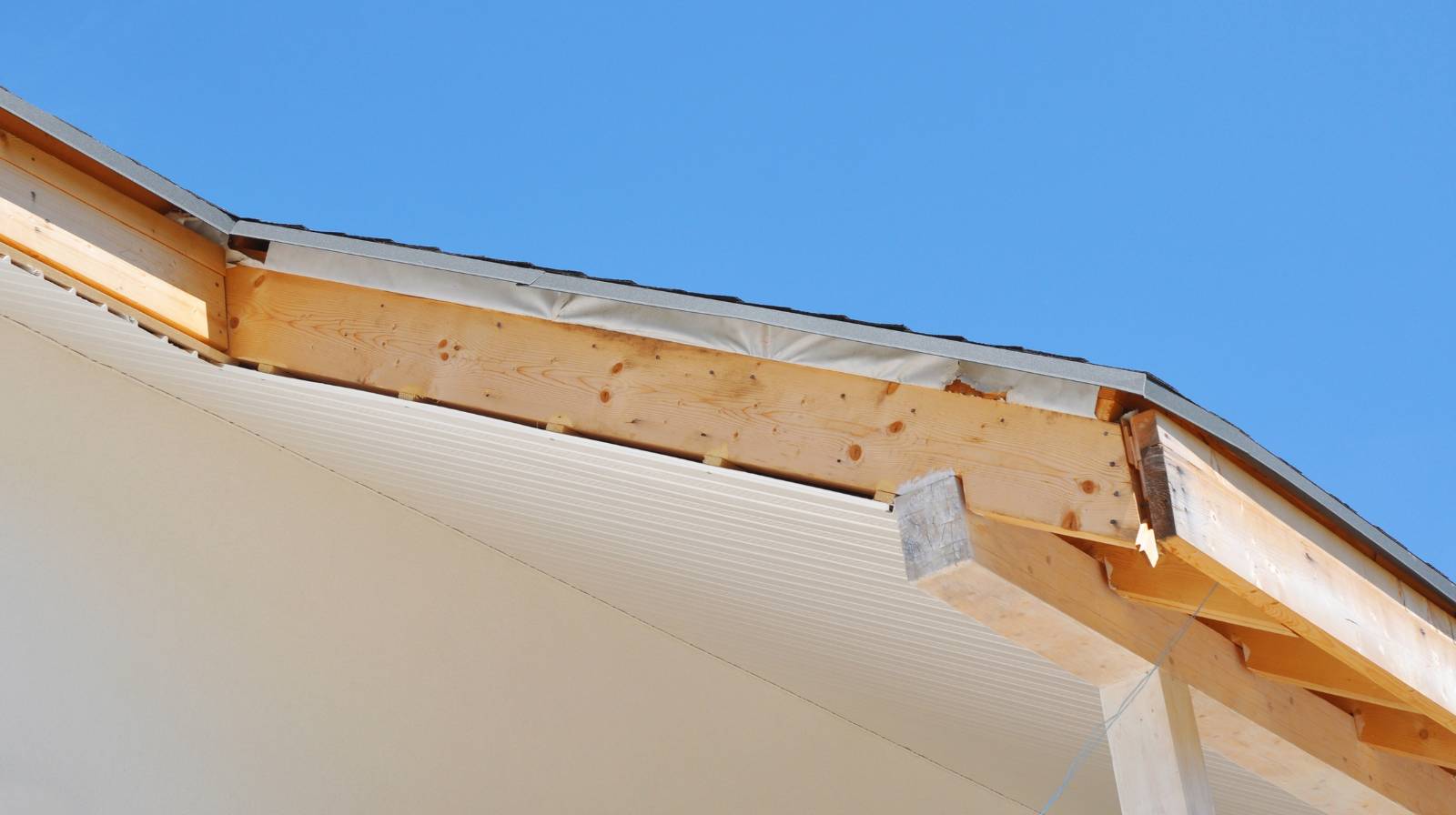
On Oahu, your fascia boards—the long, horizontal wooden boards that run along the edge of your roofline—serve a dual purpose that is critical to the health of your property. They provide a finished, aesthetic look to your eaves and act as the primary structural mounting point for your Gutter System. Because these boards are constantly exposed to the elements, including heavy trade wind rain, salty sea spray, and intense tropical humidity, they are often the very first part of your home to suffer from structural failure.
When you are performing your essential pre-hurricane season gutter cleaning this May, it is the perfect opportunity to get a close-up look at the health of your roofline. However, to the untrained eye, Subterranean Termite damage and Dry Rot can look remarkably similar. Distinguishing between the two is vital because the repair strategies for a termite infestation versus a fungal rot problem are completely different. Since FBC Hawaii was established in 2014, we have helped over 1,000 homeowners identify these "silent killers" before they compromise the home's safety and structural integrity.
The Anatomy of Wood Rot: The Fungal Enemy of Hawaii Homes
Wood rot is a biological process where specific types of fungi consume the cellulose and lignin in the wood fibers, effectively turning a once-solid board into a crumbly sponge. This is a chronic issue on the Windward side of Oahu and in high-rainfall valleys like Manoa or Nu'uanu, where moisture levels rarely drop enough for wood to fully dry out.
Identifying Dry Rot and Wet Rot Characteristics
The Screwdriver Texture Test: One of the simplest ways to check for rot is to press a flathead screwdriver into the fascia. If the metal sinks into the wood easily or the wood crumbles into small, cubic chunks, you are looking at advanced rot.
Visible Spore Growth: During the humid May months, you may see white, thread-like strands (mycelium) or actual shelf-like mushroom growths appearing on the underside of the eave.
Darkened Discoloration: Rotted wood often turns significantly darker than the surrounding healthy boards. It may have a "charred" or deeply cracked appearance, a phenomenon often referred to in the industry as "alligatoring".
Why Fascia Rot Accelerates in May
Rot is almost always the result of a failure in your Water Management System. If your gutters are clogged with debris or are undersized for Hawaii's intense rainfall, water overflows directly onto the fascia board. Because the back side of the board is often left unpainted during construction, it absorbs moisture like a wick, creating a permanent damp zone that fungi love.
The Termite Threat: Identifying the Silent Invaders of the 808
Hawaii is home to some of the most aggressive wood-destroying insects in the world, specifically the Formosan Subterranean Termite. Unlike fungal rot, which tends to stay localized to the damp area, termites use your fascia boards as a structural highway to enter the rest of your roof trusses and attic space.
Signs of Active Termite Activity in Your Fascia
Mud Tubes: Look for thin, pencil-sized tunnels made of dirt and "carton" running from the soil up your exterior walls or along the back side of the fascia boards.
The Hollow Sound Test: Tap on the wood firmly with the handle of a screwdriver. If it sounds hollow, "thuddy," or thin like paper, termites have likely hollowed out the interior "galleries" while leaving the exterior paint perfectly intact to hide their progress.
Frass Accumulation: If you find small, sand-like piles of wood-colored pellets in your gutters or on the ground below your eaves, you are likely dealing with Drywood Termites, which live entirely inside the wood rather than in the ground.
Termites vs. Wood Rot: A Quick Comparison Guide
Understanding the differences between these two types of damage is the first step in formulating a repair plan. Use the table below to audit your roofline during your next cleaning.
The Synergy of Destruction: Why They Often Occur Together
In many cases on Oahu, you don't have to choose between termites or rot—you unfortunately have both. Termites are naturally attracted to high moisture levels. If your Soffit Vents are blocked and your fascia is damp from rotted or overflowing gutters, it creates the "Perfect Storm" for a massive infestation.
The softened, rotted wood is much easier for termites to chew through and navigate, allowing them to establish a satellite colony much faster than they would in dry, healthy, or pressure-treated lumber. This combined attack can lead to a complete failure of your roof's perimeter defense in a single season.
Structural Consequences for Your Roof and Gutter Systems
Ignoring damage in your fascia boards during the month of May can lead to catastrophic results during the high-wind and heavy-rain events of June and July.
Total Gutter System Collapse: Your gutters are held up by heavy-duty hangers screwed directly into the fascia. If that wood is rotted or hollowed out by termites, the "bite" of the screw is lost. During a Flash Flood event, the sheer weight of the water can pull the entire gutter system off the house.
Increased Wind Uplift Vulnerability: The fascia board is a key component in sealing the edge of your roof. If it is compromised or loose, wind can more easily get under your shingles, leading to the "parachuting" effect where an entire section of your roof is ripped away during a storm.
Entry Points for Other Pests: Once the fascia is breached, it provides an open door for mice, rats, and birds to enter your attic, where they can damage your insulation and chew through electrical wiring.
The FBC Hawaii "Hardened Eave" Repair Strategy
We don't believe in "slapping a new board" over a deeper problem. At FBC Hawaii, we treat the eave as a critical structural joint that requires specialized attention.
Full Removal and Inspection: We remove the damaged boards to inspect the rafter tails behind them. If the rot or termites have spread into the main rafters, we "sister" in new structural wood to ensure your roof remains secure.
Advanced, Pest-Resistant Materials: We often recommend upgrading to Fiber-Cement (Hardie) Fascia or PVC-coated materials that are entirely immune to rot and completely unappetizing to termites.
Drip Edge Installation: We install a specialized metal drip edge that kicks water away from the wood and directly into the gutter trough, ensuring the fascia stays dry even in heavy trade wind showers.
Stainless Steel Fasteners: In coastal High-Wind Zones like Ewa Beach, we exclusively use 316-grade stainless steel screws that won't rust, corrode, or lose their structural grip over time.
Fascia and Gutter Inspection FAQ
Can I just paint over rotted fascia to save money? No. Painting over rot is like putting a plastic bag over a wet sponge. It traps the moisture inside, which actually accelerates the fungal growth and leads to faster decay. You must remove and replace the "infected" wood to stop the spread.
How do I know if my rafters are damaged behind the fascia? If your fascia board is sagging, feels "wobbly" when you touch the gutter, or if the gutters are pulling away from the house, there is a high probability that the rafter tails—the structural wood the fascia is nailed to—have also begun to rot or be consumed by termites.
Does a standard gutter replacement include fascia repair? At FBC Hawaii, we perform a Structural Audit with every gutter project. We will never install new, 6-inch high-capacity gutters on rotted or termite-damaged wood, as the weight will eventually cause a failure.
What is the best type of wood for Hawaii fascia boards? While cedar and redwood are naturally resistant to decay, they are becoming increasingly expensive. Many Oahu homeowners are moving toward composite or fiber-cement boards for a "set it and forget it" solution that termites cannot touch.
Identify the Damage Before the Hurricane Season Arrives
Don't let a small spot of fungal rot or a hidden termite colony turn into a major roof failure this summer. During your May gutter cleaning, take an extra five minutes to inspect your boards with a screwdriver and a flashlight. If you find something suspicious, call the 808 experts for a professional assessment.