
Metal Roofing Screws Guide Oahu | 316 Stainless vs. Carbon | FBC
Metal Roofing Screws Guide Oahu | 316 Stainless vs. Carbon | FBC
Fastener Selection: 316 Stainless vs. The Rest
Metal Roofing vs. Siding Screws: Why Interchanging Them Fails
Installation: The "Lift" and "Leak" Factors
1. The Right Length for the Substrate
2. Torque: The Goldilocks Zone
The $1 Screw That Can Sink Your Metal Roof: A Hawaii Guide
In the 808, we don't just deal with rain; we deal with salt-heavy mist and volcanic "Vog" that can eat through standard hardware in a matter of months. Most property owners—and unfortunately, some contractors—treat fastener selection as an afterthought. However, according to the Metal Construction Association, fastener failure accounts for 85% of metal roof wind damage claims.
At FBC Roofing & Exteriors, we believe the "Foundation of Life" starts with the smallest details. Using the wrong gauge or a cheap coating can turn a $20,000 investment into a $5,000 repair job.
Fastener Selection: 316 Stainless vs. The Rest
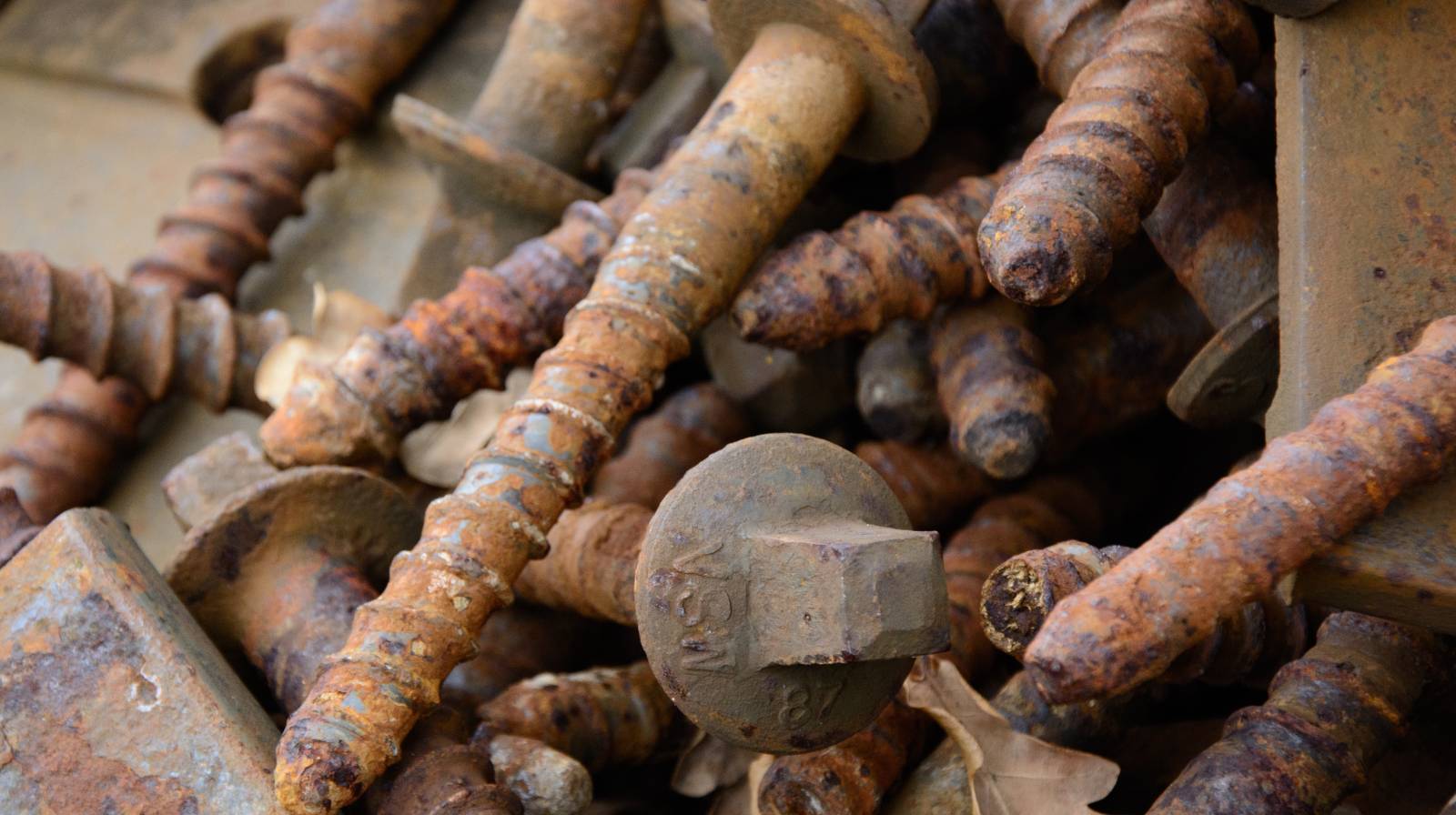
If you live in Ewa Beach, Kapolei, or anywhere within a mile of the ocean, standard carbon steel screws are your roof's worst enemy. When these fasteners fail, they "bleed" orange rust streaks down your panels, eventually eating a hole through the metal itself. This isn't just a cosmetic issue; it's a chemical reaction that compromises the structural integrity of your entire roof.
The FBC Standard: For our Roofing Services, we prioritize 316-grade stainless steel for coastal properties. Why? Because it contains molybdenum, a specific alloy that resists the "pitting" caused by chloride (salt). While 410 stainless is "harder," 316 is significantly more corrosion-resistant. In Hawaii’s salty air, 316 is the only material that truly matches the 30–50 year lifespan of a quality metal panel.
Metal Roofing vs. Siding Screws: Why Interchanging Them Fails
They look similar to the untrained eye, but they are absolutely not interchangeable. Using siding screws on a roof is a "false economy" that leads to premature leaks and voided manufacturer warranties.
Washer Material is the Critical Difference: Roofing screws use EPDM washers that remain flexible across extreme temperature ranges and resist UV degradation. Siding screws use neoprene washers optimized for vertical Siding Services. Technical testing shows neoprene becomes brittle above 180°C—a temperature dark metal roofs exceed regularly in the Hawaii sun. Neoprene washers on roofing applications degrade 60% faster than the EPDM standard.
Thread Patterns & Grip: Roofing screws have aggressive threads designed to bite into wood substrates while pulling the panel down tight. Siding screws have finer threads that don't require the same downward compression force.
The Bottom Line: There is no scenario where siding screws are acceptable for roofing. FBC Hawaii handles both residential and commercial projects across Oahu, and we see this mistake regularly during inspections of competitor work.
Installation: The "Lift" and "Leak" Factors
Even the most expensive screw will fail if installed poorly. At FBC Hawaii, we focus on two primary mechanical factors: Penetration and Torque.
1. The Right Length for the Substrate
A screw that is too short won't bite; a screw that is too long can penetrate through the sheathing into your living space. The International Building Code requires a minimum of 3/4" thread penetration into wood.
1" Screws: Typically used for thin panels (26-29 gauge) into wood where no extra insulation is present.
1.5" Screws: Our standard for most residential projects involving standard underlayment.
2"+ Screws: Necessary when fastening through foam insulation boards. We measure the "sandwich" of your roof layers to ensure we hit the structural deck with full force.
2. Torque: The Goldilocks Zone
Improper torque is the #1 leading cause of leaks in metal roofs.
Under-driven: If the screw is too loose, the washer doesn't seat. Water can slide under the washer and directly into the hole.
Over-driven: If the screw is too tight, the washer "mushrooms" or cracks. This creates a "dimple" in the metal panel where water pools, leading to rapid corrosion.
The FBC Standard: We aim for 25–35% washer compression. This creates a concave seal that sheds water away from the fastener hole, keeping your attic dry for decades.
Work You Can Trust: What Our Clients Say
“Our experience with HAVN from start to finish was exceptional. Communication and education of the process/materials was exemplary. During the actual installation of our new roof, Adam was incredibly responsive to all inquiries. The job was completed way sooner than originally anticipated and our roof looks fantastic! Could not be happier.” - Tanya B on Google Review
Metal Roofing Fastener FAQ
For more information, visit our full FAQ page.
1. Why are my roof screws "bleeding" orange streaks? This is a sign of galvanic corrosion. Your fasteners are likely zinc-coated carbon steel that has oxidized. Once the coating fails, the steel rusts and the runoff stains your panels.
2. Can I just tighten a leaking screw? If the washer is dry-rotted or cracked, tightening it will only make the leak worse. The screw must be replaced with a slightly larger diameter "over-size" fastener to ensure a fresh seal.
3. Is there a difference between roofing screws and siding screws? Yes. Roofing screws feature EPDM washers designed for high heat and horizontal water flow. Siding screws often use neoprene, which fails prematurely on hot roofs.
4. How many screws does my roof need? Standard installs use about 80–100 screws per 100 sq. ft. However, in Hawaii's Wind Zone III, we increase density to 120–150 screws to prevent panel uplift during Kona storms.
5. How often should I check my fasteners? We recommend a professional audit every 2 years, especially if you are within a mile of the ocean. Salt can degrade even "rust-resistant" coatings faster than you'd think.
Don't Let a Tiny Part Cause a Massive Problem
Your metal roof is only as strong as the screws holding it down. Ensure your home is "808-Ready" with marine-grade fasteners.
Call FBC Roofing today for a detailed audit!