
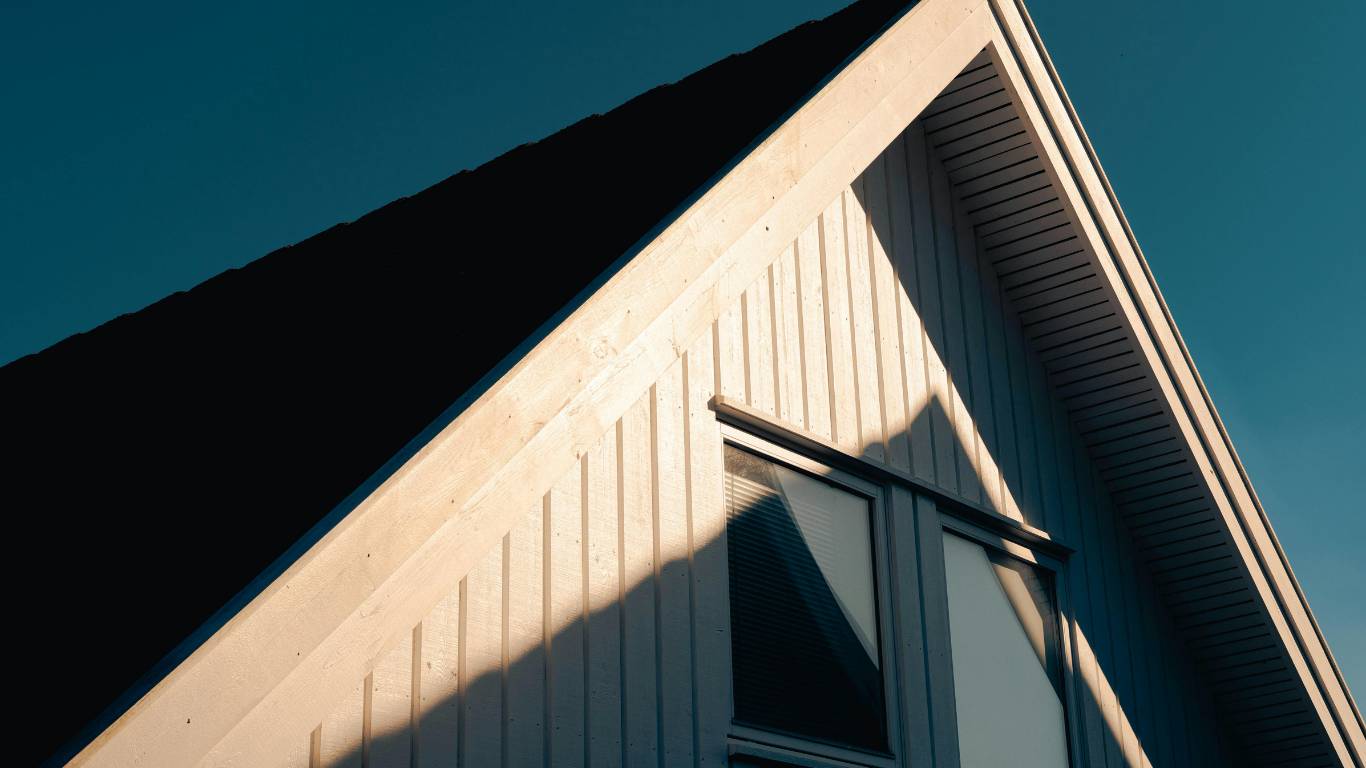
Siding Heat Traps Oahu | FBC Hawaii
Best Rain Gutters Oahu | FBC Hawaii - Copy
The Thermodynamics of an Island Heat Trap
The Failure of Hollow Cladding
The Danger of Thermal Bridging
Does Insulated Siding Actually Protect Oahu Attics?
Siding Thermal Performance Matrix
Signs Your Siding is Baking Your Home Envelope
The Financial Reality: Siding ROI in Honolulu County
Calculating Your Real Energy Dividends
Why Cheap Handyman Workmanship Backfires in Hawaii
The Catastrophic Moisture Trap
The Importance of Factory Certifications
Coordinating Your Exterior Upgrades for Maximum Savings
Completing the Envelope Protection
The June Heat Wave vs. Your Attic: Is Your Siding Trapping Radiant Heat?
As June settles over Oahu, the tropical sun hits its peak altitude, driving outdoor temperatures up and triggering non-stop air conditioning usage across the island. During this intense summer stretch, most homeowners blame their high electric bills entirely on their roof or their cooling units. However, there is a hidden culprit behind your soaring energy costs that you might be overlooking: your home’s exterior siding.
When traditional, uninsulated siding bakes under the relentless Hawaii sun, it behaves like a greenhouse. Instead of shedding solar energy, standard cladding absorbs and traps radiant heat, siphoning it directly into your wall cavities and up into your attic space.
At FBC Hawaii, we look at your property's exterior as a holistic, integrated building envelope. We engineer advanced Siding Services and water management solutions that do not just elevate your home's curb appeal, but actively slash your interior radiant heat load before it can compromise your comfort.
The Thermodynamics of an Island Heat Trap
To understand how your siding affects your attic temperature, you have to understand the physics of radiant heat transfer. During a standard June afternoon on Oahu, the exterior walls of a home absorb massive amounts of shortwave solar radiation.
The Failure of Hollow Cladding
Traditional hollow vinyl or uninsulated wood panels offer zero thermal resistance. When the sun beats down on these standard surfaces, the material reaches scorching temperatures. This heat quickly radiates inward, warming the air trapped in the hollow gap between the siding panel and your home's plywood sheathing.
Once this wall cavity turns into an oven, a stack effect occurs. The superheated air naturally rises through your wall framing, bleeding directly past your eaves and accumulating in your attic space.
If your attic suffers from blocked soffits or poor air flow, this trapped heat has nowhere to go. It sits directly above your living spaces, working against your ceiling insulation and baking your home from the inside out.
The Danger of Thermal Bridging
Even if you have fiberglass batts inside your walls, your home remains highly vulnerable to thermal bridging. In standard residential framing, wooden wall studs act as continuous thermal highways. Because wood transfers heat much faster than insulation, outdoor heat completely bypasses your wall cavity insulation, traveling straight through the studs and heating up your drywall.
Standard Wall Construction: [Sun Heat] ---> [Hollow Siding] ---> [Wood Studs] ---> [Drywall Cooks Interior]
Insulated Wall Construction: [Sun Heat] ---> [Rigid EPS Foam] --x (Thermal Bridge Blocked) ---> [Cool Interior]
Does Insulated Siding Actually Protect Oahu Attics?
Upgrading your home's exterior cladding to premium, factory-insulated siding is the most effective way to shatter this heat trap cycle. Insulated siding features a contoured layer of rigid expanded polystyrene (EPS) foam backing permanently laminated to the vinyl or fiber-cement panel.
Siding Thermal Performance Matrix
By wrapping your entire home in a continuous blanket of rigid insulation, factory-backed panels successfully shut down thermal bridging. It stops heat at the outermost layer of your structure, keeping your studs cool, lowering your attic’s baseline temperature, and easing the burden on your attic ventilation systems.
Signs Your Siding is Baking Your Home Envelope
If you aren't sure whether your current exterior configuration is trapping unwanted solar radiation, look out for these common warning signs around your property:
The "Oven" Wall Effect: Walk up to a sun-facing interior wall during a hot afternoon. If the drywall feels physically warm to the touch, heat is actively bridging through your siding and studs.
Rapid AC Cycling: If your air conditioning system turns on and off constantly throughout the day, your home is rapidly losing its cool air through an unshielded exterior envelope.
Warped or Bowed Exterior Panels: Take a look down the sightline of your home's exterior walls. If your standard vinyl panels are buckling or pulling away from the wall, the intense heat has expanded the material beyond its breaking point.
Elevated Attic Humidity & Mold: When extreme heat meets high tropical humidity in a closed attic space, it creates an absolute breeding ground for wood-destroying fungi. If you spot localized microbial growth during a Roof Inspection, your exterior walls are likely contributing to the microclimatic trap.
The Financial Reality: Siding ROI in Honolulu County
Investing in a premium exterior remodel on Oahu requires clear financial planning. Because Hawaii’s residential electricity rates run significantly higher than the mainland average, cutting down on thermal gain delivers immediate monthly dividends.
True Island Cost Metrics
On Oahu, a professional installation of premium insulated siding typically averages between $5.00 and $14.50 per square foot, depending on your choice of composite materials, trim complexity, and the height of the structure. For a standard 1,500 square foot residential layout, the overall capital investment breaks down as follows:
Standard Uninsulated Cladding: $9,000 – $16,500
Premium Insulated Siding System: $13,500 – $21,750
The Insulation Premium: $3,000 – $6,000
Calculating Your Real Energy Dividends
While the upfront cost of insulated systems is higher, the long-term return on investment is driven by reduced cooling loads. By lowering your home's total thermal transfer, an insulated system can slash your annual air conditioning utility consumption by 10% to 20%. Given our high local utility rates, this saves the average household roughly $180 to $360 every single year.
Furthermore, reducing thermal gain extends the operational lifespan of your expensive HVAC equipment. By keeping your attic cooler, your air conditioning system doesn't have to work as hard or cycle as frequently, saving you from a premature $8,000+ system replacement down the line.
Why Cheap Handyman Workmanship Backfires in Hawaii
Many property owners try to save a buck by hiring uncertified, cut-rate handymen to install separate foam boards behind standard vinyl panels. In our humid climate, this generic approach can easily lead to structural disaster.
The Catastrophic Moisture Trap
If a contractor doesn't understand how to properly integrate a water-resistive barrier (house wrap) with flashings and siding weep holes, rainwater will eventually slip behind the panels.
In Hawaii's dense humidity, un-bonded foam backings will trap this wind-driven moisture against your wooden studs. Because the walls cannot breathe, the trapped water creates hidden pocket rot and invites destructive Formosan subterranean termites to destroy your home's framing.
Amateur Foam Backing ---> Trapped Humidity ---> Structural Wood Rot & Subterranean Termites
Professional Extrusion ---> Integrated Air Drainage ---> Dry Substrate & Permanent Wind Security
The Importance of Factory Certifications
This is exactly why choosing an experienced local specialist is essential. At FBC Hawaii, we utilize factory-engineered insulated panels featuring integrated backer grooves designed specifically for tropical microclimates. These channels allow any wind-driven moisture to drain harmlessly out of the bottom weep holes while keeping your thermal barrier completely intact.
Our professional installations are backed by our comprehensive 7-year workmanship warranty, giving you complete peace of mind that your home’s exterior envelope is engineered to endure.
Coordinating Your Exterior Upgrades for Maximum Savings
If your home's exterior is approaching the end of its functional life, the smartest financial strategy is to bundle your remodeling projects together.
The Logistics Advantage
Combining a siding replacement with a comprehensive Roof Replacement or a targeted Roof Repair campaign splits the fixed costs of scaffolding staging, county safety permits, and contractor mobilization. This smart coordination can easily save you between $1,500 and $3,000 in duplicate setup bills.
Completing the Envelope Protection
While our teams are updating your walls, we can evaluate your home's perimeter water management systems. Ensuring your Gutter Replacement and Seamless Gutters are perfectly pitched prevents heavy summer rain from washing behind your new siding.
Pairing insulated siding with clean, un-blocked Soffit & Fascia vents guarantees that your attic stays properly ventilated, flushing out any residual heat before it can warm your living spaces.
Frequently Asked Questions About Siding Heat Gain
Does insulated siding help reduce neighborhood noise?
Yes. The dense structure of expanded polystyrene foam acts as an exceptional acoustic buffer. Insulated systems significantly reduce exterior sound transmission, making them an excellent choice for homes located near busy roads, schools, or under Oahu flight paths.
Can I install insulated siding over my existing old wood siding?
It depends entirely on the health of your underlying substrate. If your old wood siding is flat, structurally sound, and completely free of dry rot or termite damage, we can install a flat underlayment and mount the new system over it. However, if there is hidden rot, we always recommend a full tear-off to protect your structural walls.
What siding colors are best for minimizing summer heat gain?
Thermodynamics favor light neutral colors like crisp whites, soft grays, warm taupes, and sandy beiges. These light shades absorb far less solar radiation than trendy dark colors (like deep charcoals or navies), keeping your wall cavities cooler and resisting UV color fading much better over time.
Secure Your Free Island-Specific Home Envelope Audit
Don't let the intense June heat cook your attic and drive up your utility costs. Protect your property with an energy-efficient exterior built exclusively for Hawaii's unique climate conditions.
Since 2009, FBC Hawaii has completed over 1,000 residential and commercial exterior installations across the island. Contact us today to schedule your comprehensive, no-obligation Roof Inspection and total home exterior audit. Our factory-trained specialists will provide clear material options, detailed digital photos, and a transparent, itemized quote to keep your home cool all summer long.