
Hawaii Attic Mold Prevention | FBC
Best Time for Roof Repair Oahu | FBC - Copy
The critical 72-Hour Window: Why Hawaii Humidity is a Catalyst
Identifying the "Silent" Leaks Before the Mold Takes Over
The Health and Structural Risks of Chronic Attic Mold
How Proper Ventilation Stops the "May Mold" Cycle
FBC Hawaii’s 3-Step Attic Defense Strategy
Standard vs. High-Performance Water Management
The "May Mold" Alert: How Small Leaks in Humidity Turn Into Toxic Attic Problems
In Hawaii, the month of May brings more than just the sweet scent of plumeria; it brings a critical "May Mold" alert for island homeowners. As we transition rapidly from the scattered spring showers into the intense, sustained humidity of the summer months, small, neglected roof leaks can transform into massive, toxic attic infestations in a matter of days. In the unique 808 climate, mold doesn't just grow—it thrives, fueled by the ideal combination of trapped solar heat and the consistent 80% to 90% relative humidity found in neighborhoods from rain-heavy Kaneohe to sun-drenched Kapolei.
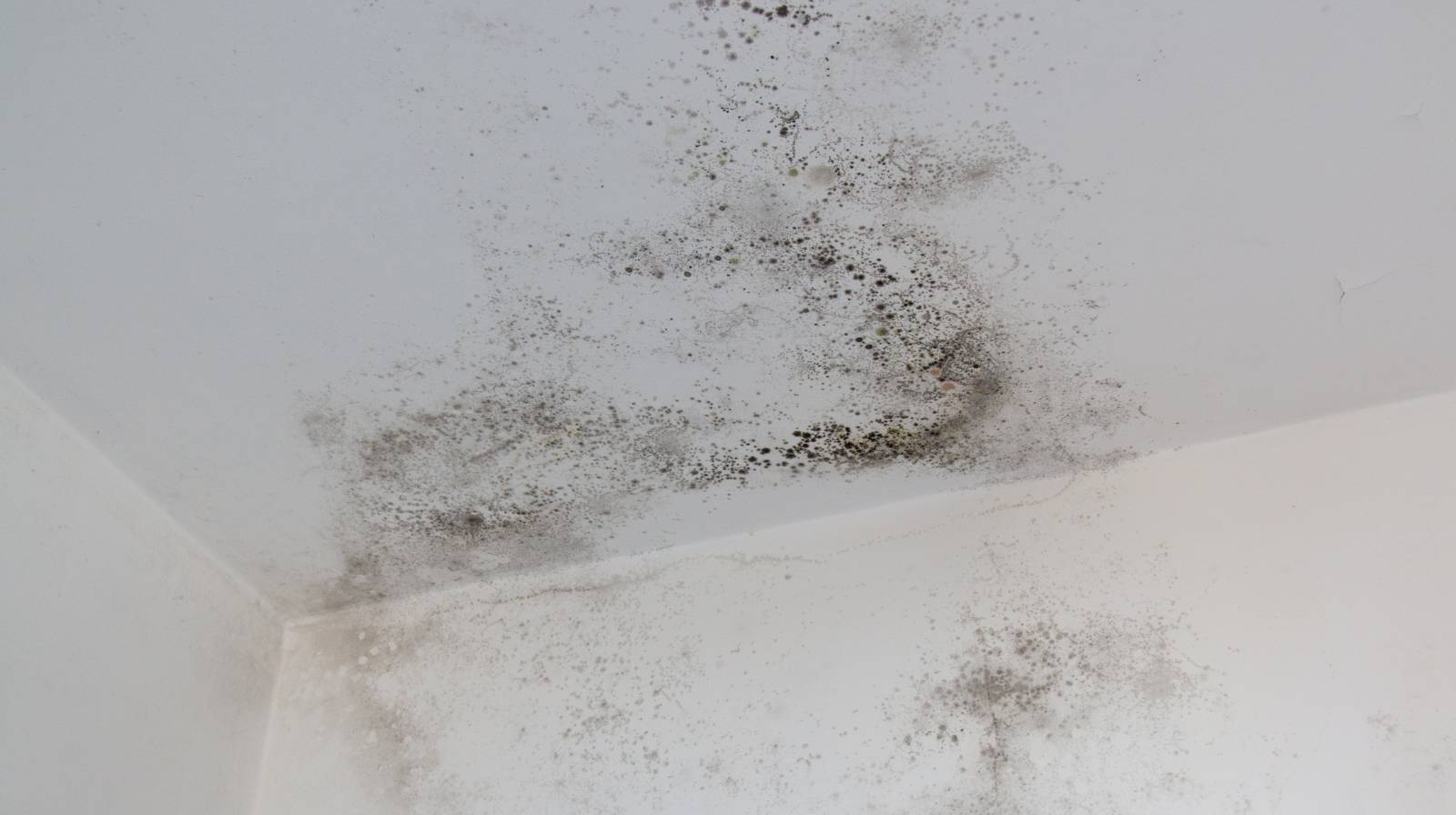
At FBC Hawaii, our comprehensive inspections frequently reveal a devastating reality: what a homeowner dismissed as a "minor damp spot" on the ceiling has actually become the visible tip of a major structural and health hazard lurking above. Since our establishment in 2014, we have specialized in diagnosing how the unique Pacific environment accelerates organic decay inside the "Building Envelope." Understanding the rapid timeline of mold development is absolutely essential for protecting your home’s "Foundation of Life" before the peak hurricane and storm season arrives.
The critical 72-Hour Window: Why Hawaii Humidity is a Catalyst
Mold spores are omnipresent in the Hawaii air, but they require three primary ingredients to colonize: moisture, a constant food source (like plywood roof decking or drywall), and warmth. While mainland attics might stay dry for weeks following a minor leak, the extraordinarily high ambient humidity on Oahu means your attic environment never truly "dries out" on its own.
The Accelerated Organic Growth Cycle in the 808
Once rainwater penetrates your primary roof defense—through a loose shingle, cracked flashing, or a failed plumbing boot—the clock starts ticking against your home’s structure.
Germination: Microscopic mold spores can begin to germinate on damp surfaces in as little as 24 to 48 hours after initial moisture exposure.
Colonization: Within a mere 72 hours, a visible, established colony can form on your roof rafters, insulation, or plywood decking.
The May Greenhouse Effect: During May, as solar radiation heats your roof surface to 170°F, the moisture trapped inside your attic turns into steam. This creates a literal greenhouse effect, allowing mold to spread across fiberglass insulation and wooden supports with terrifying speed, rapidly compromising both materials.
Identifying the "Silent" Leaks Before the Mold Takes Over
Most "May Mold" problems do not start with a dramatic ceiling collapse; they begin with micro-leaks that are too small to cause a visible puddle on your floor. These "silent leaks" stay well hidden in your attic space, feeding established mold colonies for months before you ever notice a physical stain on your living room ceiling.
Common Culprits of Hawaii Micro-Leaks
Plumbing Vent Boots: The rubber seals around your rooftop plumbing stacks are prone to severe UV cracking in the intense Hawaii sun. Rainwater trickles down the pipe directly into your ceiling insulation.
Step Flashing Failures: Where your roof meets a vertical wall (like a second story transition), the metal flashing can pull away. This allows "sideways rain" from heavy trade wind showers to enter the wall cavity.
Rusted Nail Holes (Rust-Jacking): In coastal Ewa Beach or Kailua, standard galvanized nails can rust through completely. This leaves a tiny "pinhole" that slowly drips water with every rain event, saturating the wood from within.
The Health and Structural Risks of Chronic Attic Mold
Ignoring a seemingly small leak in May can lead to massive consequences that go far beyond a simple, affordable roof repair. Mold is a validated bio-hazard that severely affects both the market value of your property and the respiratory safety of your family.
Indoor Air Quality and Your HVAC System
Many Oahu homes have HVAC ductwork located directly in the attic. If mold is present on the outside of these ducts or near the air handler, spores can easily be pulled into your home’s central air circulation system. This can lead to persistent health issues:
Chronic respiratory issues and "unexplained" allergies.
Skin irritation and persistent "sinus colds."
Musty, old-basement odors that permeate furniture, carpeting, and clothing.
Structural Wood Rot and Roof System Failure
Attic mold is often the precursor to wood-decaying fungi (wet or dry rot). As these organisms consume the lignin that gives wood its strength, your roof structure loses its load-bearing capacity.
Soft Spots: You may notice "dips" in your roofline where the plywood has softened like a sponge.
Grip Failure: Roofing nails lose their "bite" in rotted wood. During a High-Wind Kona Storm, these are the very first sections of the roof to blow off because the deck underneath is essentially crumbling.
How Proper Ventilation Stops the "May Mold" Cycle
The single most effective way to prevent catastrophic mold growth—even if a minor leak occurs—is through an engineered, high-flow Ventilation System.
The Critical Role of Active Airflow
A stagnant attic is a perfect paradise for mold spores. However, if you have a balanced system of functional Soffit Vents (intake at the eaves) and Ridge Vents (exhaust at the peak), the air stays in constant motion, mimicking a cross-breeze.
Humidity Removal: High-flow ventilation carries humid air out of the attic before it can reach its dew point and condense into liquid water on your rafters.
Drying Potential: If a small leak does happen, active airflow can help dry out the moisture before spores have the necessary 48-72 hours to germinate.
FBC Hawaii’s 3-Step Attic Defense Strategy
We don't just patch leaks; we eliminate the specific conditions that allow mold to colonize your home. As a GAF Master Elite Contractor, FBC Hawaii follows a rigorous "Dry-Tech" protocol during our critical May inspections.
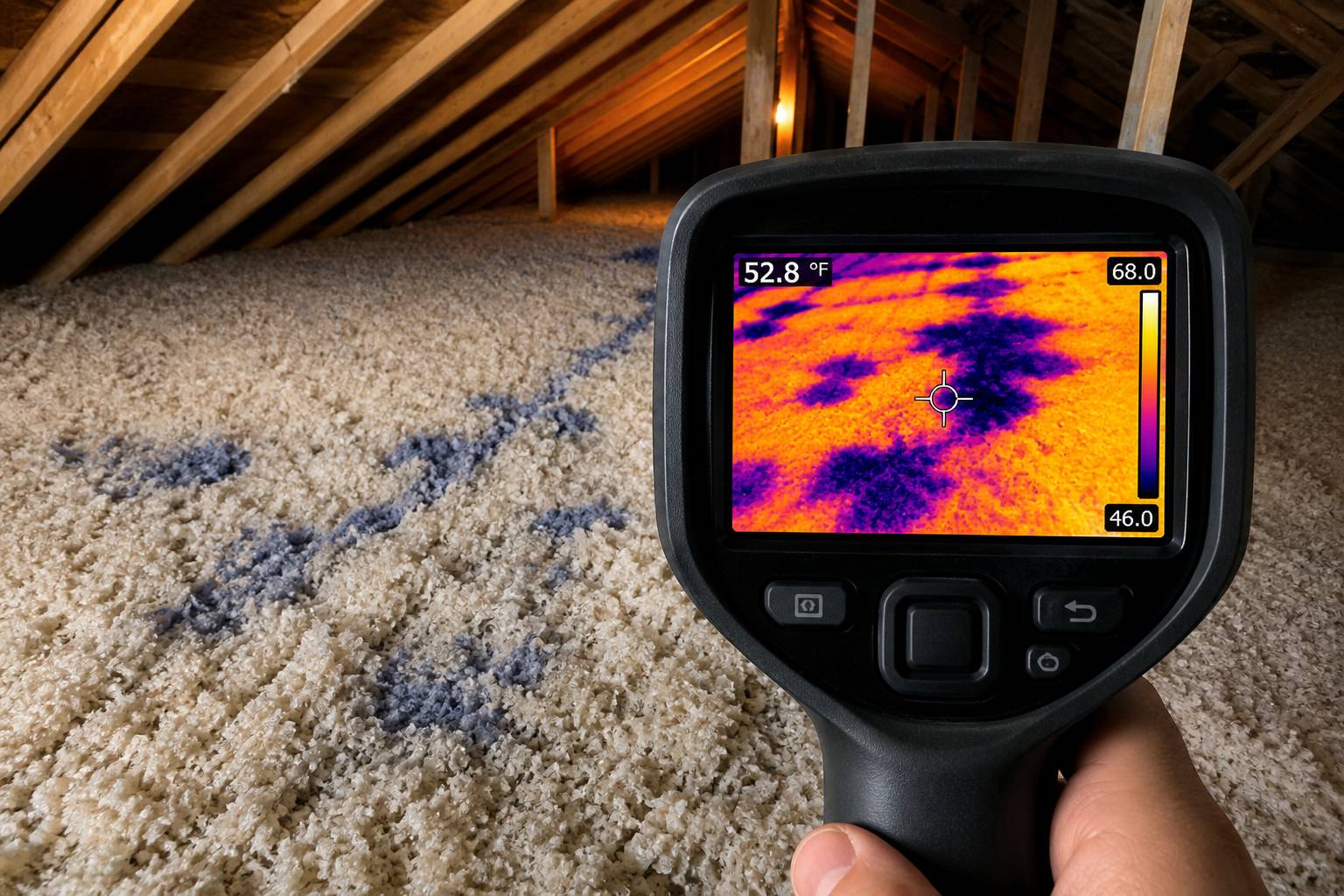
Moisture Mapping: We use non-invasive moisture meters and thermal imaging cameras to find hidden leaks behind your drywall and under deep insulation layers without creating damage.
Structural Integrity Audit: If we find active wood rot, we replace the damaged plywood and rafters to ensure your roof has the mechanical strength to handle Hawaii’s required 130mph High-Wind Zones.
The "Vapor Barrier" Upgrade: When we replace an outdated roof system, we exclusively use high-performance synthetic underlayments. These materials act as a secondary, non-organic waterproof shield, preventing future moisture from ever reaching your attic wood, even if the shingles fail.
Standard vs. High-Performance Water Management
Attic Mold FAQ: What Every 808 Homeowner Should Know
Can I just spray bleach on attic mold to kill it? Bleach is generally ineffective on porous surfaces like plywood and drywall. It kills the surface mold, but the water in the bleach can actually feed the roots (hyphae) deeper into the wood fibers. Bleach will not stop structural rot. Professional mold remediation and fixing the root cause (the leak) is the only permanent solution.
Does my Hawaii homeowners insurance cover attic mold remediation? Most Hawaii policies cover mold damage if it is the direct result of a "sudden and accidental" covered event, like a storm tearing off a section of the roof. However, many carriers will deny claims for mold resulting from "slow leaks," "seepage," or "gradual deterioration" that occurred due to deferred maintenance. This is why a Free Inspection is so critical—it provides a date-stamped baseline of your roof's condition.
What is the "best way" to prevent mold from growing in my attic this summer? The "gold standard" for attic mold prevention in Hawaii is the synergy of a reflective Cool Roof (to dramatically reduce heat gain) combined with a high-flow, balanced Soffit Ventilation System (to continuously remove humidity).
Protect Your Home and Your Health Before June 1st
Don't let a "little leak" today transform into a major toxic liability tomorrow. In Hawaii, moisture never sleeps, and neither does mold. At FBC Hawaii, we provide the expert moisture diagnosis, structural analysis, and 808-Ready repairs you need to keep your attic dry, clean, and safe for your family.